Brown Sugar Carrots: Velvety Sweet Glaze
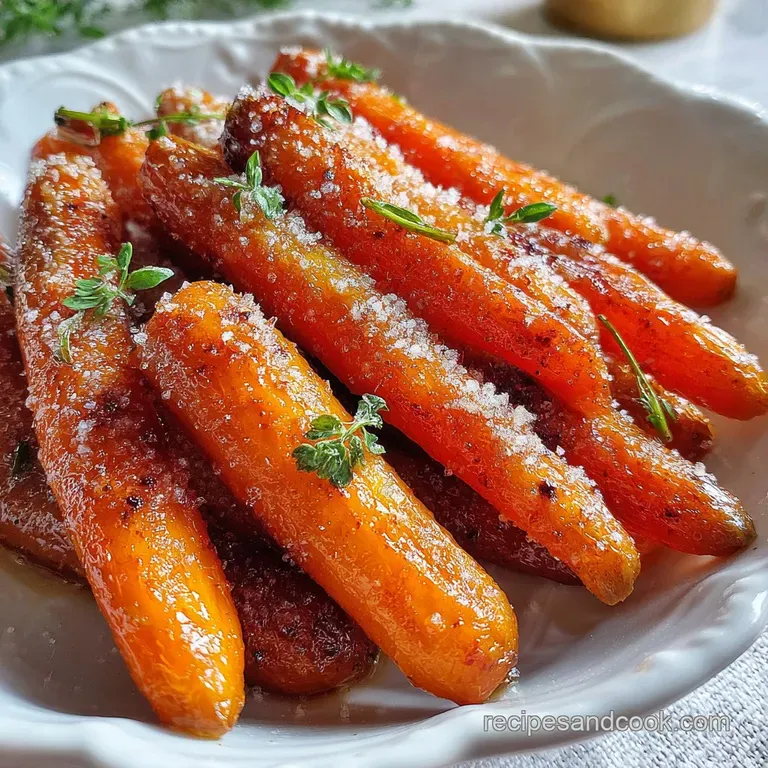
- Time: Active 10 mins, Passive 15 mins, Total 25 mins
- Flavor/Texture Hook: Velvety smooth with a rich, buttery sweet snap
- Perfect for: Holiday gatherings, Sunday roasts, or a simple weeknight treat
- The Secret To Making Glazed Brown Sugar Carrots Every Time
- The Science Behind Achieving A Glossy Finish
- The Mechanics Of A Perfect Root Vegetable Glaze
- The Core Elements Of This Comfort Side Dish
- Essential Kitchen Tools For A Flawless Glaze
- Step By Step Guide To Glazing Your Carrots
- Common Mistakes To Avoid For The Best Results
- Simple Ways To Customize Your Glazed Vegetables
- Adjusting The Recipe Volume
- Timeless Truths About Glazing Carrots
- Preservation And Creative Use Of Your Leftover Carrots
- Perfect Pairings To Complete Your Family Dinner
- Recipe FAQs
- 📝 Recipe Card
The Secret To Making Glazed Brown Sugar Carrots Every Time
I still remember the first time I tried to make a glaze for vegetables. I was twenty years old, hosting my first real dinner party, and I thought I could just toss everything into a pan and hope for the best.
What I ended up with was a literal disaster, hard, crunchy carrots swimming in a thin, watery liquid that looked nothing like the glossy gems I’d seen in magazines. It was a humbling moment, but it’s exactly why I became obsessed with the technique I'm sharing with you today.
The magic happens when you stop treating the carrots like a chore and start treating them like a star. When you get that sizzle just right and the brown sugar starts to bubble and foam with the butter, the aroma is enough to bring everyone into the kitchen before the main course is even ready.
We've all had those sad, over boiled carrots that taste like nothing, but these are different. These are the kind of carrots that make people ask for seconds, even the kids who usually push their greens to the edge of the plate.
We’re going to walk through the exact steps to get that velvety coating to stick, rather than sliding off into a puddle at the bottom of the dish. I’ve made all the mistakes, from burnt sugar to undercooked middles, so you don't have to.
Honestly, once you see how the light brown sugar interacts with the honey and butter, you'll never go back to plain steamed veggies again. It’s all about patience and the right ratio of fat to sugar.
The Science Behind Achieving A Glossy Finish
The Emulsification Principle: Combining butter fats with the sugars from honey and brown sugar creates a stable emulsion that clings to the carrot's surface. This prevents the glaze from separating into oil and water, ensuring a velvety mouthfeel rather than a greasy one.
| Cooking Method | Total Time | Texture Outcome | Flavor Profile |
|---|---|---|---|
| Stovetop (Fast) | 25 minutes | Tender crisp and glossy | Bright, sweet, and buttery |
| oven-roasted (Classic) | 45 minutes | Soft with shriveled edges | Deeply caramelized and nutty |
| Slow Cooker | 4 hours | Extremely soft and saturated | Mellow and very sweet |
Choosing the right method depends on your schedule, but for that classic, shiny look, the stovetop method wins every time. It allows you to monitor the reduction of the liquid, ensuring the sugars reach that "thick syrup" stage without burning. This is particularly useful when you're also managing a main dish like a Brown Sugar Chicken recipe, as both share a similar flavor profile that ties the whole meal together beautifully.
The Mechanics Of A Perfect Root Vegetable Glaze
When we talk about the chemistry of these vegetables, it's really about starch and sugar. Carrots are naturally quite sweet, but they contain tough cellular walls made of cellulose.
The initial steaming phase in our recipe softens those walls, allowing the glaze to actually penetrate the outer layer of the carrot rather than just sitting on top of it like a raincoat.
Chef’s Tip: If you want an extra deep flavor, try "blooming" your cinnamon in the melted butter for 30 seconds before adding the sugar. The fat carries the spice's essential oils, making the flavor much more intense throughout the dish.
Another trick I've learned is the "cold butter finish." While we melt most of the butter at the start, adding a tiny knob of cold butter right at the end (off the heat) gives the sauce a professional sheen. It's a French technique called monter au beurre, and it makes the glaze look like glass.
Trust me, it makes a massive difference in the final presentation.
| Component | Science Role | Pro Secret |
|---|---|---|
| Light Brown Sugar | Provides molasses for depth | Pack it tightly to ensure accurate moisture levels |
| Kosher Salt | Balances the high sugar content | Use large grains to prevent "oversalting" the delicate glaze |
| Honey | Prevents sugar crystallization | Adds a floral note that brightens the earthy carrot flavor |
| Unsalted Butter | Creates a silky emulsion | Use high-quality butter with low water content for better shine |
It’s tempting to skip the salt because this is a "sweet" dish, but that would be a mistake. The salt acts as a bridge between the earthiness of the root vegetable and the richness of the caramel. Without it, the dish tastes flat and one dimensional.
A little cracked black pepper also provides a tiny hit of heat that cuts through the sugar.
The Core Elements Of This Comfort Side Dish
Selecting your produce is the first step to success. While baby carrots in a bag are convenient, they often lack the sweetness of whole, garden fresh carrots. If you can find the ones with the green tops still attached, grab them. They are generally fresher and have a much better snap.
- 1 lb fresh carrots: Peeled and sliced into 2 inch batons. Why this? Batons cook evenly and provide more surface area for the glaze to grip.
- 2 tbsp water: Just enough to create steam without drowning the vegetables.
- 3 tbsp unsalted butter: Provides the fat needed for a rich, velvety sauce.
- 1/4 cup light brown sugar: The molasses adds a warm, caramel flavor.
- 1 tbsp honey: Helps the glaze stick and adds a different dimension of sweetness.
- 1/2 tsp ground cinnamon: For that nostalgic, cozy aroma.
- 1/2 tsp kosher salt: Essential for bringing out the natural carrot sugars.
- 1/4 tsp cracked black pepper: Provides a subtle contrast to the sweet glaze.
- 1 tsp fresh thyme or parsley: Optional, but the green pop looks gorgeous.
If you find yourself out of honey, you can use maple syrup for a woodier, more autumnal flavor. It's a simple swap that works because the sugar concentration is similar. For more ideas on how to use similar flavors in a different texture, you might enjoy looking into a Carrot Souffle recipe, which takes these same sweet notes and turns them into something incredibly airy and light.
Essential Kitchen Tools For A Flawless Glaze
You don't need a professional kitchen to master this, but a few specific tools make the process much smoother. A wide, heavy bottomed skillet is your best friend here. If you use a pan that is too small, the carrots will pile on top of each other and steam unevenly, which leads to some being mushy while others are still raw in the center.
A tight fitting lid is also non negotiable for the first five minutes. We need to trap that steam to soften the carrots. If your favorite skillet doesn't have a lid, a large plate or even a piece of heavy duty foil crimped over the edges will work in a pinch.
Just be careful when removing it, as that steam is incredibly hot and can give you a nasty burn if you aren't paying attention.
| Original Ingredient | Substitute | Why It Works |
|---|---|---|
| Light Brown Sugar | Dark Brown Sugar | More molasses means a deeper, almost smoky caramel flavor. |
| Unsalted Butter | Ghee (Clarified Butter) | Higher smoke point and nuttier flavor. Note: Lacks the milk solids of regular butter. |
| Honey | Agave Nectar | Similar viscosity but a more neutral, clean sweetness. |
step-by-step Guide To Glazing Your Carrots
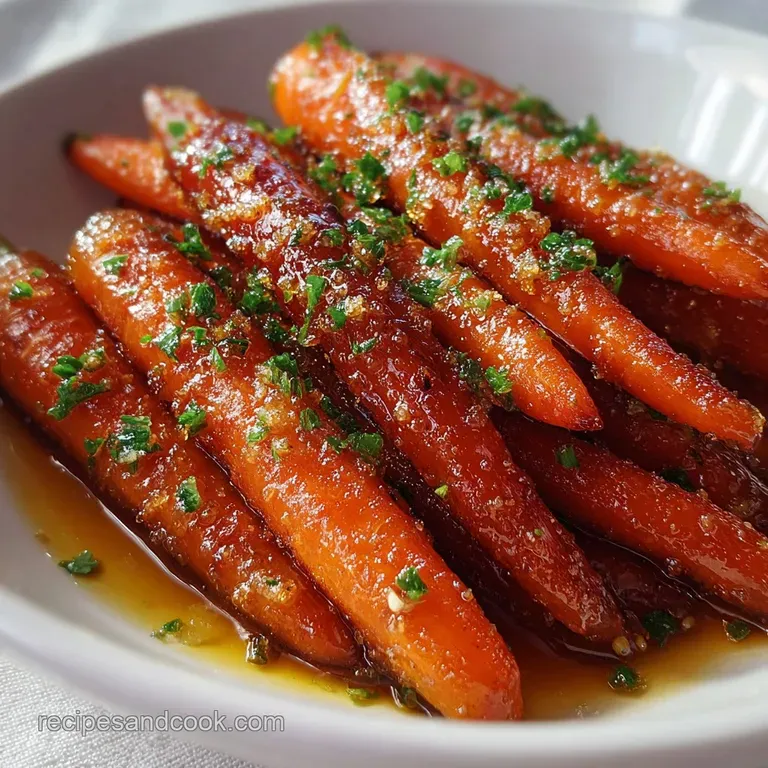
- Prep the carrots. Peel 1 lb fresh carrots and slice them into uniform 2 inch batons. Note: Uniformity ensures they all finish cooking at the same time.
- Start the steam. Place the carrots in a large skillet with 2 tbsp water and a pinch of salt.
- Cover and simmer. Cover the pan and cook over medium heat for 5 minutes until the carrots are slightly tender when pierced.
- Drain excess liquid. If there is more than a teaspoon of water left, drain it off so it doesn't thin out your glaze later.
- Add the fats. Toss in 3 tbsp unsalted butter and let it melt, swirling the pan to coat the vegetables.
- Introduce the sugars. Sprinkle 1/4 cup light brown sugar and 1 tbsp honey over the carrots.
- Season the pan. Add 1/2 tsp ground cinnamon, 1/2 tsp kosher salt, and 1/4 tsp cracked black pepper.
- Reduce the glaze. Cook uncovered for 5 to 7 minutes, stirring occasionally, until the liquid turns into a thick, bubbling syrup.
- The final sizzle. Let the carrots sit undisturbed for the last 60 seconds to allow the edges to caramelize and "shatter" slightly when bitten.
- Garnish and serve. Remove from heat, toss with 1 tsp fresh thyme or parsley, and serve immediately while the glaze is hot and fluid.
Wait, but what about the sogginess? We'll get to that in the troubleshooting section, but the key is that final step of cooking uncovered. If you keep the lid on too long, the water can't evaporate, and you'll end up with a sweet soup instead of a glaze.
You want to see those bubbles getting larger and slower; that's the sign that the water is gone and you're left with pure, delicious syrup.
Common Mistakes To Avoid For The Best Results
One of the biggest blunders I see is people walking away from the stove during the last three minutes. Sugar moves from "perfectly caramelized" to "burnt and bitter" in a heartbeat. You need to be right there, spatula in hand, watching those bubbles.
If the glaze starts to look too dark or smells like it's scorching, pull the pan off the heat immediately and add a teaspoon of water to stop the cooking process.
Why Your Carrots Are Still Hard
If you find the centers are still tough while the outside is starting to burn, your heat was likely too high. The steam phase is where the "cooking" happens; the glaze phase is where the "flavoring" happens.
If you rush the steam phase, the sugar will caramelize on the outside before the heat has a chance to reach the core of the vegetable.
Why The Glaze Is Too Runny
This usually happens if you didn't drain the excess water after the steaming step. Even a tablespoon of extra water can prevent the sugar from reaching the correct temperature to thicken. If this happens, just keep simmering uncovered.
It might take a few extra minutes, but eventually, the water will evaporate, leaving the thick glaze behind.
| Problem | Root Cause | Solution |
|---|---|---|
| Glaze is grainy | Sugar didn't dissolve | Stir more frequently and ensure butter is fully melted before adding sugar. |
| Carrots are mushy | Overcooked during steam phase | Reduce initial covered cook time by 2 minutes next time. |
| Bitter aftertaste | Sugar or cinnamon burnt | Reduce heat immediately if the glaze turns dark mahogany or starts to smoke. |
Common Mistakes Checklist
- ✓ Don't skip the peeling - carrot skin can be bitter and prevents the glaze from sticking.
- ✓ Avoid using "baby" carrots if possible - they often have a woody core that doesn't soften well.
- ✓ Ensure the pan isn't overcrowded - work in two batches if your skillet is smaller than 12 inches.
- ✓ Let the glaze bubble - it needs to reach a "syrupy" consistency to properly coat the batons.
- ✓ Use fresh spices - cinnamon loses its potency after six months in the pantry.
Simple Ways To Customize Your Glazed Vegetables
If you're feeling adventurous, there are dozens of ways to tweak this recipe to fit your specific meal. For a citrus twist, try replacing the 2 tbsp of water with fresh orange juice.
The acidity in the juice cuts through the richness of the brown sugar and honey, creating a bright, zesty finish that pairs beautifully with roasted duck or pork.
If you want to add some heat, a pinch of cayenne pepper or a teaspoon of red pepper flakes transforms these from "sweet" to "sweet and spicy." It's a subtle change, but it's enough to keep things interesting.
You could also swap the thyme for rosemary if you're serving this alongside a heavy beef roast; the piney notes of the rosemary stand up well to bold meats.
For those looking for a different preparation method, you can easily adapt this for the oven. Toss the carrots in the butter, sugar, and spices, then roast at 400°F (200°C) for about 25 minutes. You won't get that same immediate glossy finish as the stovetop method, but you'll get those lovely charred, caramelized edges that some people prefer. This is very similar to a Sweet Roasted Carrots recipe which focuses on that over high heat caramelization.
Adjusting The Recipe Volume
When you're cooking for a crowd, scaling this recipe is relatively straightforward, but there are a few rules to follow to ensure the quality doesn't suffer. If you're doubling the recipe to 2 lbs of carrots, you don't actually need to double the water.
Stick to about 3 tablespoons of water, as the carrots themselves will release some moisture as they steam.
If you are cutting the recipe in half for a solo dinner, be extra careful with the glaze reduction time. A smaller amount of liquid will evaporate much faster, and you could go from syrup to burnt sugar in just a couple of minutes.
Use a smaller skillet so the glaze doesn't spread too thin and burn on the edges of the pan.
Timeless Truths About Glazing Carrots
One common misconception is that you must boil carrots in a large pot of water before glazing them. This is actually counterproductive. Boiling leaches out the natural sugars and nutrients into the water, which you then pour down the drain.
By using the steam sauté method in one pan, we keep all that flavor exactly where it belongs: inside the carrot.
Another myth is that you can't use frozen carrots. While fresh is always best for texture, you can use frozen carrots in a pinch. However, you should skip the water and the steaming step entirely. Frozen carrots are usually blanched before freezing, so they are already partially cooked.
Just toss them directly into the pan with the butter and sugar and cook until heated through and the glaze has thickened.
Preservation And Creative Use Of Your Leftover Carrots
Storing these is simple. They will keep in an airtight container in the fridge for up to 4 days. When you go to reheat them, I highly recommend using the stovetop rather than the microwave. The microwave tends to make the glaze separate and the carrots rubbery.
Just pop them back into a skillet with a tiny splash of water to loosen the glaze, and heat over medium low until they are glossy again.
If you find yourself with a surplus of leftovers, don't just eat them cold! They make a fantastic addition to a grain bowl. I love tossing them with some quinoa, feta cheese, and toasted walnuts for a quick lunch the next day.
The sweetness of the carrots provides a perfect contrast to the salty cheese and earthy grains.
For a zero waste approach, don't throw away those carrot peels or tops! The peels can be roasted with a bit of oil and salt to make "carrot chips," and the green tops can be blended into a vibrant pesto.
If you aren't ready to use them immediately, throw them into a bag in your freezer and save them for the next time you're making a batch of homemade vegetable stock.
Perfect Pairings To Complete Your Family Dinner
These carrots are incredibly versatile, but they really shine when served next to something savory and salty. They are a classic accompaniment to a Sunday roast chicken or a Thanksgiving turkey. The sweetness of the Brown Sugar Carrots recipe acts as a natural palate cleanser between bites of heavy gravy and stuffing.
They also work surprisingly well with spicy food. If you're serving a blackened salmon or a spicy pork tenderloin, these carrots provide a soothing, cool down effect that balances the heat.
They are also a staple for me whenever I'm making a holiday ham, as the honey and brown sugar in the carrots mimic the glaze on the ham, creating a cohesive flavor profile across the whole plate.
No matter how you serve them, the key is to bring them to the table while they are still shimmering. There is something so inviting about a bowl of brightly colored, perfectly glazed vegetables. It shows that you put just as much care into the sides as you did into the main event. And honestly, isn't that what great home cooking is all about? Bringing people together over food that looks just as good as it tastes. For more inspiration on vegetable sides, you might also want to check out my Carrots Side Dish recipe for a slightly different take on the 20 minute glaze.
Recipe FAQs
Does brown sugar taste good on carrots?
Yes, brown sugar creates a classic, rich caramel flavor. The molasses in brown sugar adds a depth that white sugar lacks, perfectly complementing the carrots' earthy sweetness.
Can I use brown sugar instead of honey for carrots?
Yes, but you must compensate for the lack of liquid. Brown sugar is drier, so you will need to add an extra teaspoon of water or broth to ensure the glaze doesn't burn before the carrots soften.
How much brown sugar to put in carrots?
Start with a 4:1 ratio of carrots to sugar by weight, slightly less by volume. For one pound of carrots, use about 1/4 cup of packed light brown sugar, adjusting based on desired sweetness.
What enhances the flavor of carrots?
Salt, butter, and a hint of spice significantly enhance carrot flavor. Salt balances the sweetness, while butter carries the flavor, and cinnamon or thyme adds aromatic warmth.
If you enjoyed mastering the flavor balancing act here, see how the same principle applies to offsetting richness in our Easy No Bake Protein Balls Recipe: Fudgy & Nutty Snack.
Is it true you must fully boil carrots before glazing them?
No, this is a common misconception that leads to mushy vegetables. Use a short steam phase in the skillet first to soften the structure, ensuring the final glaze adheres and doesn't leach out flavor.
How to achieve a glossy, professional glaze finish on carrots?
Remove the lid during the final 5-7 minutes of cooking. This allows the excess water to evaporate, concentrating the sugar and butter into a thick, shimmering syrup that coats the vegetable uniformly.
Can I roast carrots instead of stovetop glazing them?
Yes, roasting produces a nuttier, slightly drier caramelization. Toss carrots with butter and sugar, then roast at 400°F (200°C). For a deep dive on achieving crisp edges with high heat, review the technique in Crispy Roasted Sweet Potatoes: Oven Only Technique.
Brown Sugar Carrots Recipe
Ingredients:
Instructions:
Nutrition Facts:
| Calories | 185 kcal |
|---|---|
| Protein | 1.0 g |
| Fat | 8.7 g |
| Carbs | 27.5 g |
| Fiber | 3.2 g |
| Sugar | 21.8 g |
| Sodium | 275 mg |
