Brown Sugar Carrots: Sweet & Tender
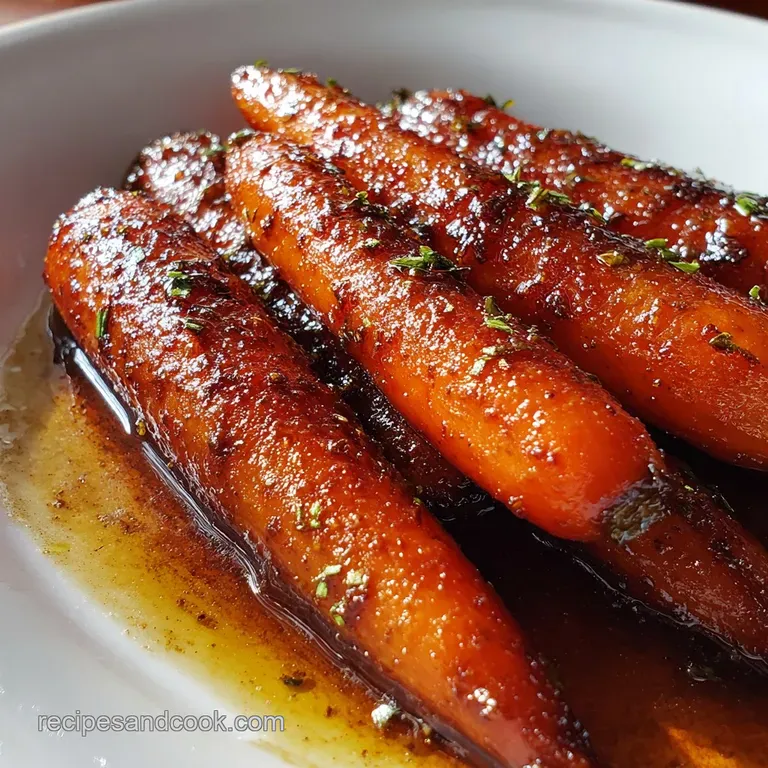
- Time: Active 10 minutes, Passive 15 minutes, Total 25 minutes
- Flavor/Texture Hook: Glossy, buttery glaze with a tender crisp snap
- Perfect for: Holiday gatherings, Sunday roasts, or beginner friendly meal prep
- Achieving the Nostalgic Flavor of Classic Brown Sugar Carrots
- The Science of Why it Works
- The Essential Specifications for This Timeless Side Dish
- Sourcing the Best Components for a Syrupy Glaze
- Tools Needed to Create a Professional Caramelized Finish
- Step-By-Step Guide to Pan Seared Glazed Perfection
- Correcting Texture and Flavor Issues During the Cook
- Troubleshooting Common Issues
- Creative Variations and Alternative Cooking Methods
- Scaling Guidelines for Large Groups
- Timeless Myths About Cooking Carrots
- Guidelines for Storage and Repurposing Leftover Veggies
- Best Main Courses to Pair with Sweet Glazed Roots
- Recipe FAQs
- 📝 Recipe Card
Achieving the Nostalgic Flavor of Classic Brown Sugar Carrots
Imagine the smell of butter melting into dark, jammy sugar while the sharp, woody aroma of fresh rosemary hits a hot pan. That sizzle when the carrots first touch the oil isn't just noise, it is the start of a serious flavor transformation.
We have all had those sad, mushy cafeteria carrots that taste like nothing but sugar water, but this version is different. We are going for a sophisticated, glossy finish that feels like something from a high end steakhouse but takes less than half an hour.
I remember the first time I tried to make these for a big family dinner. I dumped everything in a pot and hoped for the best. The result? A watery mess where the sugar just sank to the bottom. I learned the hard way that the secret isn't just the sugar, it is how you handle the heat and the moisture.
This recipe is the result of those messy mistakes, refined into a method that works every single time.
We are focusing on texture and balance here. By using a specific diagonal cut, we increase the surface area of each carrot slice, allowing the glaze to cling to every millimeter. It is a simple trick that changes the whole experience.
You're going to love how the apple cider vinegar cuts through the richness, making you want to go back for a second (or third) helping. Trust me, once you try this pan seared method, you'll never go back to boiling them.
The Science of Why it Works
Caramelization and Maillard Reaction: The high fat butter and dark brown sugar undergo thermal decomposition at high heat, creating hundreds of new flavor compounds that range from nutty to toasted. Meanwhile, the natural sugars in the carrots react with the heat to create a deeply savory sweet crust.
Pectin Breakdown Control: By searing the carrots first in neutral oil before adding liquid, we partially break down the cell wall structure (pectin) while maintaining a structural "snap" in the center.
Adding acid (vinegar) at the end stabilizes this pectin, preventing the vegetables from turning into a mushy puree.
Emulsification Stability: The combination of melted butter fats and dissolved sugar solids creates a temporary emulsion. As the water content evaporates, the remaining solids coat the carrots in a velvety, light reflecting film rather than a greasy puddle.
| Method | Time | Texture | Best For |
|---|---|---|---|
| Stovetop Sear | 15 minutes | Tender crisp with charred edges | Quick weeknight dinners |
| oven-roasted | 35 minutes | Deeply shriveled and intensely sweet | Hands off holiday prep |
| Air Fryer | 12 minutes | Crispy exterior, very firm center | Small batches or singles |
Choosing the right method depends on how much attention you want to give the stove. The stovetop method we're using today offers the best control over the glaze's thickness, ensuring it doesn't burn or become too runny.
The Science of Sugars
Different sugars provide different chemical results. While white sugar provides a clean sweetness, the dark brown sugar in this recipe contains molasses, which is acidic. This acidity reacts with the heat to create a more complex, bitter sweet profile that mimics the flavor of long slow roasting.
Strategic Carrot Geometry
The way you cut the vegetable affects how the heat travels through the fibers. A "Rangiri" or diagonal cut exposes more of the porous interior of the carrot. This allows the buttery glaze to penetrate deeper into the root, rather than just sitting on the slick outer skin.
The Essential Specifications for This Timeless Side Dish
When we talk about traditional comfort food, the details matter. This isn't just about throwing things in a pan; it's about the ratio of fat to sugar to acid. If you've ever found your side dishes a bit "one note," it's likely because the acid was missing.
We use high fat butter here because the lower water content means less steaming and more actual frying.
| Component | Science Role | Pro Secret |
|---|---|---|
| Dark Brown Sugar | Humectant & Flavor | Pack it tight to ensure the molasses ratio is high enough for a deep amber color. |
| Apple Cider Vinegar | Pectin Stabilizer | Adds a "bright" note that prevents the sugar from feeling heavy or cloying on the tongue. |
| Neutral Oil | High Smoke Point | Prevents the butter from burning during the initial sear, allowing for better browning. |
Using a heavy bottomed skillet, like a seasoned cast iron or a thick stainless steel pan, is a big player in your success. These pans hold heat better, which means when you drop 1.5 lbs of cold carrots into the pan, the temperature won't plummet.
If the pan stays hot, you get a sear; if it cools down, you're just boiling the carrots in their own juices.
For another variation on classic vegetable prep, you might want to look at a Carrots Side Dish recipe that uses a slightly different glazing technique for even faster results. Both methods have their merits, but the brown sugar version remains a sentimental favorite for many.
Sourcing the Best Components for a Syrupy Glaze
You don't need expensive ingredients to make this taste like a million bucks. In fact, some of the best versions of this dish come from the most basic pantry staples. I've tested this with fancy organic heirloom carrots and the basic bags from the supermarket, and honestly, the cooking technique matters more than the price tag.
For the Root Base
- 1.5 lbs large carrots: Look for firm, heavy roots. Why this? Larger carrots hold their shape better during the over high heat searing process.
- Substitute: Parsnips. They offer a more peppery, earthy vibe but cook in the same time.
- 1 tbsp neutral oil: I use avocado or grapeseed. Why this? High smoke point allows for a hard sear without acrid smoke.
- Substitute: Vegetable oil or canola oil works perfectly fine here.
- 0.5 tsp fine sea salt: To draw out moisture and balance sweetness.
- Substitute: Kosher salt (use 1 tsp as it is less dense).
- 0.25 tsp cracked black pepper: For a hint of warmth.
- Substitute: White pepper for a cleaner, more hidden heat.
For the Molasses Glaze
- 4 tbsp unsalted high fat butter: European style butter is a big deal here. Why this? More fat and less water creates a silkier, more stable sauce.
- Substitute: Salted butter (just reduce the added sea salt by half).
- 0.33 cup dark brown sugar: The molasses is key. Why this? Provides the "candied" depth that light sugar lacks.
- Substitute: Light brown sugar plus a teaspoon of maple syrup.
- 1 tbsp apple cider vinegar: For brightness. Why this? The fruitiness of cider vinegar complements the earthiness of the carrots.
- Substitute: Fresh lemon juice for a more citrus forward profile.
- 0.5 tsp ground cinnamon: For that nostalgic, warm aroma.
- Substitute: Nutmeg or allspice for a more savory, "spiced" twist.
- 1 sprig fresh rosemary or thyme: Infuses the fat with herbal notes.
- Substitute: 0.5 tsp dried herbs (add them earlier in the process).
Tools Needed to Create a Professional Caramelized Finish
You don't need a kitchen full of gadgets, but two specific items will make your life much easier. First, a large 12 inch skillet. If the carrots are crowded, they will steam instead of sear. You want every slice to have its own little piece of real estate on the pan surface.
If you're doubling the recipe, work in batches or use two pans.
Second, a solid vegetable peeler. I prefer the Y shaped peelers because they give you more leverage and prevent hand fatigue. If your peeler is dull, you'll end up taking off too much of the carrot, or worse, leaving the bitter skin behind.
A sharp blade makes the prep go by in about 10 minutes.
Chef's Note: If you want an even deeper flavor, freeze your butter for 10 minutes before you start. Grating the cold butter into the pan at the very end creates a "beurre monté" effect, making the glaze extra thick and glossy.
step-by-step Guide to Pan Seared Glazed Perfection
Right then, let's crack on. This process moves fast once the sugar hits the pan, so have all your ingredients measured and ready before you turn on the stove. This is what we call "mise en place," and it's the difference between a relaxing cook and a burnt mess.
- Prep the roots. Peel the 1.5 lbs of carrots and trim the ends. Slice them into 2 inch diagonal pieces, trying to keep the thickness consistent. Note: Consistent thickness ensures they all finish cooking at the same time.
- Heat the pan. Set a large skillet over medium high heat and add the 1 tbsp neutral oil. Wait 2 minutes until the oil shimmers and a tiny wisp of smoke appears.
- Sear the carrots. Add the carrots in a single layer. Season with 0.5 tsp salt and 0.25 tsp pepper. Cook for 5 minutes until the edges are golden brown and slightly charred. Do not toss them too often; let them sit to build a crust.
- Add the butter. Drop the 4 tbsp butter and the rosemary sprig into the center of the pan. Let it melt and foam until it smells nutty and the bubbles subside.
- Incorporate the sugar. Sprinkle the 0.33 cup dark brown sugar and 0.5 tsp cinnamon over the carrots. Toss well to coat every piece.
- De glaze. Pour in the 1 tbsp apple cider vinegar. It will hiss and steam. Note: This helps scrape up any caramelized bits (fond) from the bottom of the pan.
- Simmer and glaze. Reduce heat to medium. Cook for another 5-7 minutes, tossing occasionally, until the sauce has reduced to a thick, syrupy consistency.
- Check for doneness. Use a fork to pierce a carrot. It should go in with slight resistance—tender but not mushy.
- The final toss. Remove the rosemary sprig. Give the pan one final vigorous shake to ensure the glaze is velvety and clinging to the vegetables.
- Rest and serve. Transfer to a warm bowl. Let them sit for 2 minutes until the glaze sets into a glossy, glass like coating.
Correcting Texture and Flavor Issues During the Cook
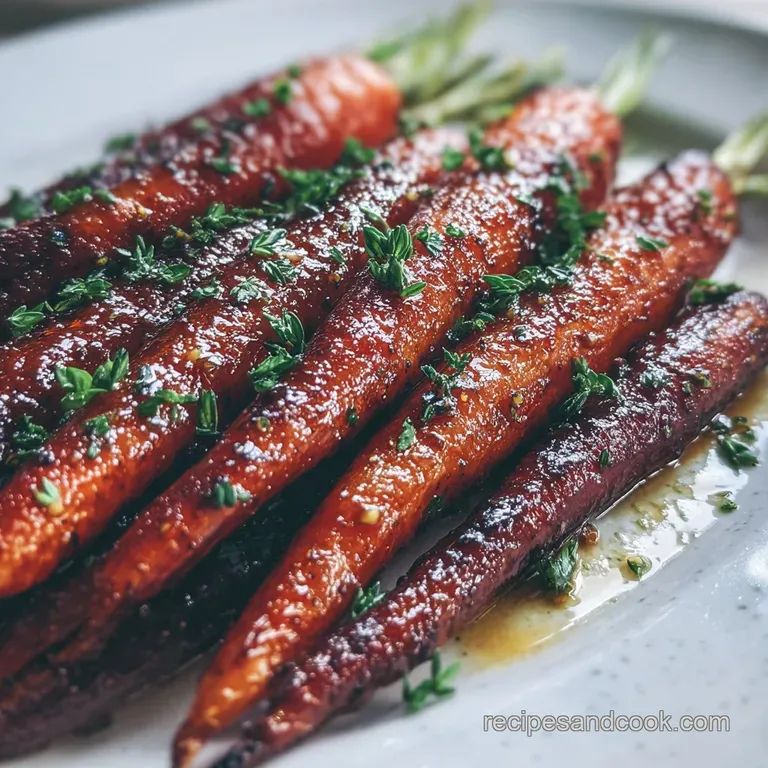
The most common mistake people make with this recipe is fear of heat. If you're too timid, the carrots will just sweat and turn grey. On the flip side, sugar burns at 350°F (177°C), so you have a narrow window once that glaze starts to bubble.
Troubleshooting Common Issues
| Issue | Solution |
|---|---|
| Why Your Glaze Separates | This usually happens if the heat is too high or if you didn't use enough butter. The fat acts as a stabilizer for the sugar. If you see oily puddles forming, add a teaspoon of water and whisk vigorous |
| Why Your Carrots Stay Hard | Some carrots are just "woody," especially if they are older. If they are still too crunchy after 15 minutes, add 2 tablespoons of water or orange juice to the pan and cover it with a lid for 2 minutes |
| Why the Sauce Tastes Burnt | If the sugar goes past deep brown into black, there is no saving the sauce. The bitterness will overwhelm the vegetable. To prevent this, always keep the carrots moving once the sugar is added. If you |
Common Mistakes Checklist
- ✓ Don't crowd the pan - if the carrots are overlapping, they will steam and lose their snap.
- ✓ Pat the carrots dry after washing - moisture is the enemy of a good sear.
- ✓ Use dark brown sugar over light - the extra molasses prevents the glaze from being one dimensionally sweet.
- ✓ Don't skip the resting period - the glaze needs those 2 minutes to thicken and become truly glossy.
- ✓ Keep the rosemary sprig whole - this allows you to pull it out easily so no one bites into a woody stem.
Creative Variations and Alternative Cooking Methods
If you're looking to change things up, this recipe is incredibly flexible. While the stovetop is my favorite for control, you can adapt these flavors to different tools or dietary needs. For a bigger feast, these pair beautifully with a hearty dish like The Creamy Southern recipe for a soul warming dinner.
Plant Based Vegan Alternatives
Replacing the butter is simple. Use a high-quality vegan butter stick (look for one with a high oil content like Miyoko’s) or refined coconut oil. If using coconut oil, add a tiny pinch more salt to mimic the savory notes of dairy butter. The sugar and vinegar steps remain exactly the same.
Refined sugar-free Options
You can swap the brown sugar for maple syrup or coconut sugar. Coconut sugar has a lower melting point, so watch it closely as it can burn faster than cane sugar. If using maple syrup, the glaze will be slightly thinner, so you'll need to simmer it for an extra 2 minutes to get that "candied" effect.
Air Fryer Cooking Method
Toss the sliced carrots in the oil, salt, pepper, and cinnamon. Air fry at 380°F (193°C) for 10 minutes. In a small bowl, melt the butter and whisk in the sugar and vinegar.
Pour this over the par cooked carrots and air fry for another 3-5 minutes until bubbly and caramelized.
Traditional Baked Oven Version
If you have a full stove and need to use the oven, toss everything in a large roasting pan. Roast at 400°F (200°C) for 25-30 minutes. You won't get the same localized sear as the pan, but the carrots will shrivel and intensify in flavor.
This is great for "set it and forget it" meal prep.
Scaling Guidelines for Large Groups
When you're cooking for a crowd, the physics of the pan change. If you double the recipe to 3 lbs of carrots, you cannot just use one pan. The pile will be too deep, and the bottom layer will burn while the top layer remains raw.
- Scaling UP (2x-4x): Use two separate skillets or cook in batches. For the glaze, only increase the cinnamon and salt to 1.5x of the original, as these flavors can become overpowering in large quantities. Liquids should be reduced by 10% because they won't evaporate as quickly in a crowded environment.
- Scaling DOWN (1/2): For a solo dinner, use a smaller 8 inch skillet. Reduce the total cooking time by about 20% because the smaller mass of carrots will heat up and soften much faster. If the recipe calls for half an egg (not here, but for future reference), whisk it first and measure by weight or volume.
| Premium | Budget | Flavor Impact | Savings |
|---|---|---|---|
| Organic Heirloom Carrots | Large Loose Bulk Carrots | Bulk carrots are often sweeter; heirloom are mostly for color. | Save $3.00 |
| European Cultured Butter | Standard Store Brand Butter | Slightly less creamy, but still makes a great glaze. | Save $2.50 |
| Pure Maple Syrup | Dark Brown Sugar | Brown sugar actually provides a thicker, more stable glaze. | Save $4.00 |
Timeless Myths About Cooking Carrots
One of the biggest misconceptions is that you must peel carrots. While it's true the skin can be slightly bitter, if you're using young, thin skinned carrots, a vigorous scrub with a rough sponge is often enough.
For this recipe, however, peeling provides a smoother surface for that glossy glaze to adhere to.
Another myth is that sugar "seals" the carrot. In reality, adding sugar early can actually draw moisture out through osmosis, making the vegetable limp. This is why we sear them first in oil to create a structural crust before introducing the sugar.
It’s a technique that keeps the interior juicy while the outside gets that "shatter" texture.
Finally, don't believe that "more is better" with the glaze. If you drown the carrots in too much butter and sugar, they lose their earthy character. The goal is a light, tight coating not a soup.
You want the carrot to be the star, with the brown sugar acting as the supporting actor that makes the lead look good.
Guidelines for Storage and Repurposing Leftover Veggies
These carrots hold up surprisingly well. In fact, some people argue they taste better the next day after the flavors have had time to fully penetrate the roots. Store them in an airtight glass container in the fridge for up to 4 days.
When reheating, avoid the microwave if possible; it tends to make the butter separate and the carrots rubbery. Instead, toss them back in a skillet over low heat with a teaspoon of water to loosen the glaze.
For zero waste cooking, don't throw away those carrot peels! If they are clean, you can toss them with a little oil and salt and roast them at 400°F (200°C) for 10 minutes to make "carrot skin crisps." They are a fantastic, crunchy snack.
Also, the leftover glaze in the pan is liquid gold. Save it to drizzle over roasted pork or even stir it into your morning oatmeal for a savory sweet kick.
If you have a lot of leftovers, chop them up and fold them into a grain salad with farro, feta, and toasted walnuts. The sweetness of the carrots acts as a built in dressing for the grains. You could even blend them into a smooth puree and use it as a base for a "carrot cake" inspired soup.
Best Main Courses to Pair with Sweet Glazed Roots
Because these carrots are quite sweet and rich, they need a savory, high protein partner to balance the plate. Think of things that have a bit of salt or smoke. A simple roasted chicken with lemon and garlic is a classic choice, as the acidity in the chicken cuts right through the molasses in the glaze.
The Savory Protein Counterpart
A thick cut pork chop or a salty ham steak is a traditional pairing that never fails. The sweetness of the carrots acts like a condiment for the pork. If you're going for a vegetarian meal, consider serving these alongside a sharp, aged cheddar soufflé or a savory lentil stew.
The contrast between the soft lentils and the snappy carrots is brilliant.
The Texture Balance Strategy
Since the carrots are tender and glossy, adding something crunchy to the plate is a smart move. A side of crispy roasted potatoes or a fresh, bitter green salad with radicchio and endive provides the necessary structural and flavor contrast.
This prevents the entire meal from feeling too "soft" or "sweet," keeping your palate excited from the first bite to the last.
Recipe FAQs
Can I use baby carrots for this recipe?
Yes, with a slight adjustment. Baby carrots are sweeter and cook faster, so reduce the searing time slightly to prevent them from becoming mushy.
What kind of brown sugar is best for glazed carrots?
Dark brown sugar is ideal. It contains more molasses, which provides a deeper, richer flavor and a darker, glossier glaze compared to light brown sugar.
How do I prevent my glazed carrots from becoming soggy?
Sear them properly first. Ensure your pan is hot before adding the carrots and avoid overcrowding the pan, which causes steaming rather than browning. This initial sear creates a crust that holds its texture.
Can I make the brown sugar glaze ahead of time?
Yes, you can prepare the glaze components separately. However, it's best to combine and cook the glaze with the carrots just before serving to maintain the optimal texture and prevent the sugar from hardening.
What is the best way to reheat leftover glazed carrots?
Reheat them gently on the stovetop. Place the carrots in a skillet with a teaspoon of water or broth over low heat, stirring occasionally until warmed through. This helps to loosen the glaze without making them mushy.
Can I substitute the butter with oil for a dairy-free version?
Yes, you can substitute with oil, but it changes the flavor. Use a neutral oil like avocado or grapeseed oil. If you enjoyed mastering the texture control in this recipe, you might like seeing how a similar oil-based technique works in our Whole30 Nachos: Crispy Potato Chips.
Why are my carrots still hard after cooking?
Likely an issue with heat or cooking time. Ensure your pan is hot enough for searing and that you're cooking them for the full duration. If the carrots are particularly large or dense, they might need an extra few minutes of simmering with a lid to soften.
Brown Sugar Carrots
Ingredients:
Instructions:
Nutrition Facts:
| Calories | 264 kcal |
|---|---|
| Protein | 1.7 g |
| Fat | 15.3 g |
| Carbs | 32.3 g |
| Fiber | 4.8 g |
| Sugar | 23.8 g |
| Sodium | 291 mg |
