Ambiguous Recipe Amount Crossword: the Cryptic Clue Scone Ratio
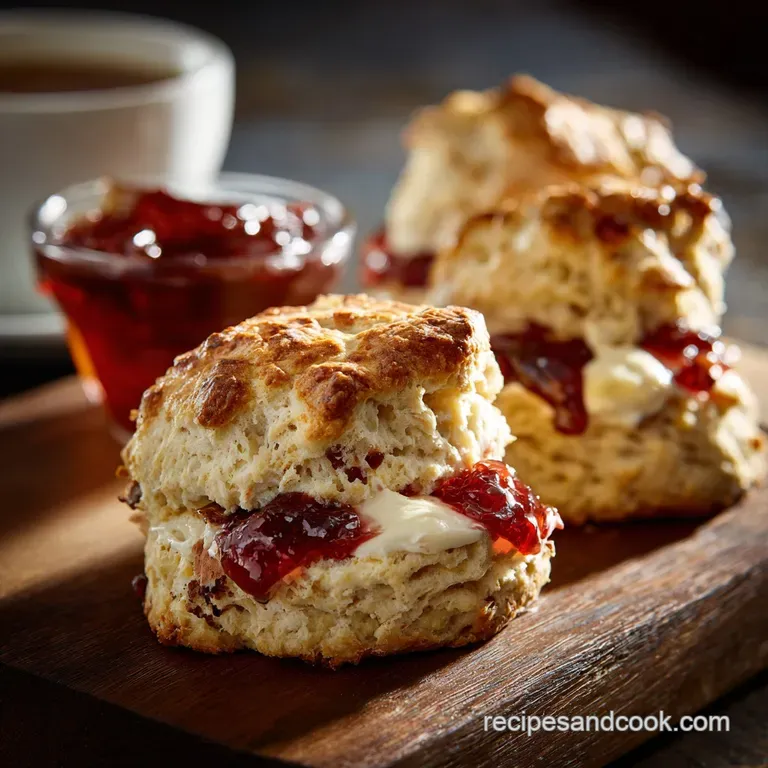
- Unlocking the Secret to Perfect Scones: The Ambiguous Recipe Amount Crossword
- The Science of Fluff: Achieving Sky-High Lift Without Developing Gluten
- Gathering Your Clues: Essential Ingredients and Precision Notes
- Solving the Puzzle: A Step-by-Step Guide to the Cryptic Clue Scone
- Troubleshooting the Ambiguous Recipe Amount Crossword: Expert Tips and Visual Cues
- Keeping Your Cryptic Clue Scones Fresh
- Perfect Pairings for Savoury Cheddar and Chive Scones
- Recipe FAQs
- 📝 Recipe Card
Unlocking the Secret to Perfect Scones: The Ambiguous Recipe Amount Crossword
Is there anything better than the smell of sharp cheddar and fresh chives hitting a 425°F oven? That instant blast of savory, salty warmth tells you something truly wonderful is happening. When you tap these scones, they should sound hollow, yielding a crumb that is impossibly light and flaky.
This is the kind of recipe that looks fancy but saves your life on a busy weekend. It requires only a handful of pantry staples and comes together in less than 35 minutes. They are cheap, fast, and satisfyingly sophisticated, making you look like a total culinary genius.
But there’s a trap here, isn't there? Baking is usually about precise measurements, yet this recipe hinges on an intuition an ambiguous recipe amount crossword that we need to solve together.
The secret lies in the liquid, and I’m going to show you exactly how to nail that crucial measurement baking tip every single time.
The Science of Fluff: Achieving Sky-High Lift Without Developing Gluten
What Makes the Cryptic Clue Scone Different?
Unlike bread, the cryptic clue scone recipe prioritizes tenderness over structure. We don't want gluten development; we want fat and steam to do all the heavy lifting. This means mixing minimally and using incredibly cold ingredients. It's truly a race against warmth and time.
The Historical Context of Savoury British Scones
While the sweet cream tea scone gets all the fame, savoury versions have been a staple for centuries, particularly in regions where cheese and herbs were abundant. They were often served as part of a main meal or a hearty lunch.
The mature cheddar and chive pairing is the ultimate nod to classic, comforting British flavour profiles.
Why Cold Butter is Non-Negotiable
This is where the magic happens, people. You need butter that is intensely, aggressively cold. As the cold butter melts rapidly in the hot oven, it releases pockets of steam, which are trapped by the surrounding flour matrix.
This steam is what violently pushes the dough upwards, resulting in that beautiful, sky-high rise.
The Chemical Reaction Behind the Rise
We rely on chemical leavening, primarily baking powder, which needs heat and moisture to activate. Baking powder produces carbon dioxide gas which inflates the dough. We assist this process by keeping everything cold until the very last moment.
The Role of Acid in Buttermilk (or Substitute)
Buttermilk adds a lovely tang, but its real job here is providing acid. This acid reacts with the soda in the baking powder, giving us an extra burst of lift. Plus, the slight acidity helps tenderize the dough, which means a softer, more delicate crumb.
Gathering Your Clues: Essential Ingredients and Precision Notes
Remember that the success of the ambiguous recipe amount crossword depends on the quality of your ingredients and how cold they are. I recommend measuring everything out before you even start mixing.
| Ingredient | Precision Notes | Substitution Tip |
|---|---|---|
| Flour (AP) | Always sifted for aeration. | Use 1 cup AP + 1 cup Self Raising (omit baking powder). |
| Butter | Cubed small, frozen for 10 min if necessary. | Can substitute up to half the butter with cold lard or shortening. |
| Mature Cheddar | Grate finely for better distribution. | Use Gruyère or a strong, sharp Parmesan. |
| Buttermilk | Must be cold from the fridge. | Crucial: Use regular milk + 1 Tbsp white vinegar. Wait 5 minutes until curdled. |
| Chives | Fresh is vital; dried changes the texture. | Can use very finely sliced spring onion greens if chives are unavailable. |
Chef’s Note: The cold temperature requirement is the most crucial measurement baking tip I can give you. If your butter starts softening, put the whole bowl in the freezer for five minutes. Seriously.
Solving the Puzzle: A step-by-step Guide to the Cryptic Clue Scone
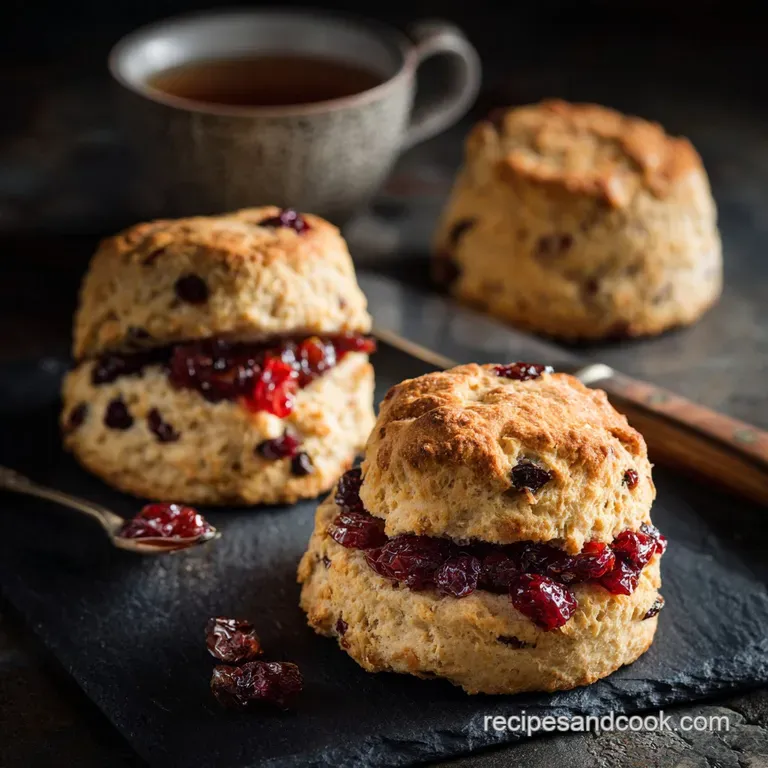
1. Rubbing in the Butter: Achieving the Sand Texture
Sift your flour, baking powder, salt, and pepper into your largest bowl. Add the cold, cubed butter. Work quickly using your fingertips (the dreaded "rubbing in" method) or a pastry blender until the mixture looks like coarse breadcrumbs or small peas. Do not overwork this step.
You want visible, small chunks of butter remaining.
2. Gently Folding in the Cheddar and Chives
Once the butter is incorporated, fold in the grated cheddar and the finely chopped chives. Give it a quick toss to distribute everything evenly. This ensures every bite has that powerful, savory flavour.
3. Visualizing the Dough Consistency: The Ambiguous Recipe Amount Crossword Test
This is the moment of truth. Pour in ¾ cup (180 ml) of the cold buttermilk all at once. Using a wide spatula or butter knife, start folding the liquid through the dry mix. You are aiming for a shaggy, messy mass, not a smooth batter.
If you still have dry flour patches at the bottom, add the remaining buttermilk, one tablespoon at a time. Stop immediately when the dough just holds together.
4. Cutting and Shaping for Maximum Height
Turn the dough out onto a lightly floured surface. Pat it gently into a 1¼-inch thick disk no rolling pin needed! Use a sharp 2.5 inch cutter that you dip in flour between cuts. Press straight down; do not twist. Twisting seals the edges, and that seals your fate: flat scones.
Place them closely together on the prepared tray for mutual support during the rise.
5. Achieving the Golden Glaze
Brush the tops very lightly with the beaten egg wash. This gives them that beautiful, burnished golden finish. Bake at 425°F (220°C) for 16– 18 minutes. They are ready when they are deeply golden and sound hollow when tapped underneath.
Troubleshooting the Ambiguous Recipe Amount Crossword: Expert Tips and Visual Cues
I messed up so many batches of these while trying to figure out the ambiguous recipe amounts for baking . I once ended up with dense, pale hockey pucks because my kitchen was too warm! Here are the most common pitfalls and how to avoid them.
Recognizing Over Mixed Dough
If your dough looks smooth and elastic, you've developed the gluten. This results in tough, chewy scones. Fix: Throw it out and start over, or resign yourself to making flat disks. The key visual cue is that the finished dough should still look slightly ragged, not uniform.
How to Rescue a Sticky Batter
If you added too much liquid and the dough is gloppy and impossible to handle, you can often rescue it. Lightly flour your hands and the counter and gently, gently , fold in about one tablespoon of extra flour. Do not knead it in!
You are just trying to absorb the excess moisture until you reach a workable, slightly sticky consistency.
Why Your Scones Spread Instead of Rising
This failure is almost always due to warm butter, warm liquid, or over handling. Warm ingredients start reacting before they hit the oven, and the butter melts out instead of steaming up.
Solution: If the dough feels warm after mixing, stick the entire baking tray of cut scones into the freezer for 10 minutes before baking. A cold start ensures a vertical rise.
Keeping Your Cryptic Clue Scones Fresh
Scones, especially quick breads, are really best eaten the day they are made ideally still warm. But sometimes life happens, right?
Short Term Storage (Room Temp vs. Refrigerator)
Store leftover scones in an airtight container at room temperature for up to 2 days. Don't refrigerate baked scones; the fridge air dries them out and makes them instantly stale. To reheat, wrap them loosely in foil and warm them in a 300°F (150°C) oven for about 8 minutes.
Freezing Unbaked Scone Dough
This is my favorite life hack! Solve the ambiguous recipe amount crossword once, and enjoy it later. Once you have cut the raw dough into shapes, arrange them on a tray and freeze until solid (about 2 hours).
Transfer the frozen, unbaked scones into a heavy duty freezer bag or container. They will last for up to 3 months. When ready to bake, transfer the frozen scones directly to a parchment lined tray, brush with egg wash, and bake for a few extra minutes (usually 20– 22 minutes total) without thawing.
They rise beautifully this way!
Perfect Pairings for Savoury Cheddar and Chive Scones
These savory treats beg for rich, tangy accompaniments. Forget jam; we are dealing with serious brunch food now. They are phenomenal alongside a thick bowl of spicy tomato soup or chilli. You absolutely must try them split open and topped with soft cream cheese and a sprinkle of extra black pepper.
Honestly, they are also brilliant just slathered in butter and devoured with a strong cup of tea.

Recipe FAQs
How do I know I've added "just enough" liquid to the Cryptic Clue Scone dough?
The dough should look shaggy, with no dry flour visible at the bottom of the bowl, and should only just hold together when gently pressed. If it looks slick, wet, or sticky, you've added too much liquid, which will result in tough, spreading scones.
It’s better to err on the side of slightly dry than slightly wet.
My scones came out dense and dry instead of light and flaky. What went wrong?
The most common cause of dense scones is overhandling or overmixing the dough, which allows the gluten to develop prematurely. Secondly, ensure your butter and liquid are extremely cold, as this creates steam pockets necessary for maximum rise and flakiness.
Handle the dough as little as possible it should be a quick process from mixing to cutting.
Can I use different cheeses or herbs if I don't have Cheddar and Chives?
Absolutely; this recipe is highly adaptable to other savory profiles. Good substitutes for cheddar include Gruyère, Parmesan, or crumbled Feta, but avoid high moisture fresh cheeses. For herbs, try dill and lemon zest, or classic rosemary and black pepper for a delicious alternative.
My scones spread out while baking instead of rising high. Why?
Scones that spread often indicate dough that was too warm, causing the butter to melt before the oven's heat could set the structure. Another key culprit is twisting the biscuit cutter when shaping; always press straight down and lift up cleanly, as twisting seals the edges and prevents the necessary vertical rise.
What is the best way to store baked scones, and can they be frozen?
Baked scones are best eaten within 24 hours of baking, stored in an airtight container at room temperature. If you need to freeze them, allow them to cool completely, then wrap them tightly in foil and place them in a freezer bag for up to two months.
To reheat, thaw slightly and warm them in a moderate oven until crisp.
Can I prepare the scone dough ahead of time and bake it later?
Yes, you can freeze unbaked, shaped scones for later use. Cut the shapes, place them on a parchment lined tray, and freeze until solid, then transfer them to a freezer bag. Bake directly from frozen, adding roughly 5 to 10 minutes to the total baking time to compensate for the temperature difference.
I don't have buttermilk. What is the best substitute for the acidic liquid component?
Buttermilk is preferred as its acid reacts perfectly with baking soda/powder for a tender crumb, but you can easily make a substitute. Mix one cup of standard milk with one tablespoon of white vinegar or lemon juice, and let it sit for five minutes until slightly curdled.
This replacement will work beautifully in the recipe.
Ambiguous Crossword Amount Scone Clue
Ingredients:
Instructions:
Nutrition Facts:
| Calories | 413 kcal |
|---|---|
| Protein | 17.7 g |
| Fat | 13.2 g |
| Carbs | 55.9 g |
